
26 May Bathroom Remodel Ideas: Elegant Finishes for Functional Living
Bathroom Remodel Ideas for Elegant and Functional Living in Broken Arrow, OK
A bathroom may be one of the smallest rooms in the home, but it carries a lot of weight in daily life. It’s where mornings begin, where routines happen, and where you often get a quiet moment to yourself at the end of the day. Because of that, it deserves just as much thought and care as any other space.
A bathroom remodel doesn’t have to mean chasing trends or overcomplicating the design. In fact, the most lasting spaces are often the simplest ones—built with intention, practical choices, and finishes that feel calm and timeless. If you’re thinking about updating your bathroom, here are a few ideas that balance elegance with everyday function.
1. Choose a Timeless Tile That Grounds the Space
Tile sets the tone for the entire bathroom, so it’s worth choosing something that will feel good years from now, not just today. Instead of bold patterns or overly busy designs, lean into simple, classic materials that age well.
Subway tile remains a steady favorite for a reason—it’s clean, versatile, and works in both traditional and more modern homes. Marble-look porcelain or natural stone can also bring in a soft, elevated feel without overwhelming the space.
If you want to add interest, consider subtle variation rather than bold contrast. A slightly textured tile, a soft matte finish, or a gentle shift in tone can add depth without distracting from the overall calm of the room.
2. Focus on Quality Fixtures That Feel Intentional
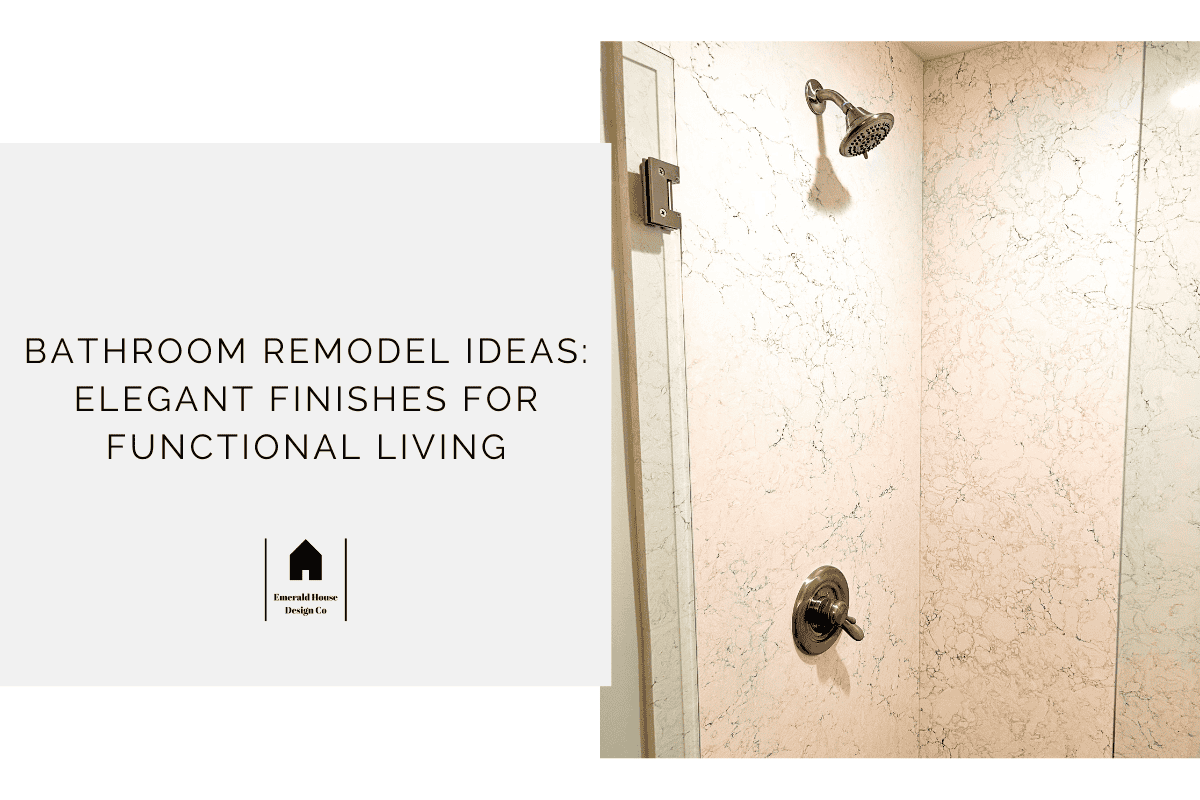
Fixtures are one of those details you touch every day, so they should feel solid, comfortable, and thoughtfully chosen. Faucets, showerheads, and hardware don’t need to be flashy to feel elevated—they just need to be well-made and consistent in style.
Finishes like brushed nickel, polished chrome, and unlacquered brass tend to hold up well both visually and practically. They blend easily with different design directions and don’t feel tied to a specific trend cycle.
Consistency matters here more than anything. Keeping all your fixtures in the same finish creates a sense of cohesion that makes the whole bathroom feel more polished and intentional.
3. Incorporate a Vanity That Balances Storage and Simplicity
The vanity often becomes the anchor of the bathroom, both visually and functionally. A well-designed vanity should offer enough storage to keep everyday items tucked away while still feeling open and uncluttered.
Built-in drawers tend to work better than deep cabinets for most households, simply because they make organization easier. Everything has a place, and nothing gets lost in the back of a shelf.
From a design standpoint, painted wood finishes in soft neutrals, warm whites, or muted earth tones create a calm foundation. Paired with a simple countertop—quartz, marble, or a durable solid surface—you can achieve a look that feels both practical and refined.
4. Use Lighting to Create a Softer Atmosphere
Lighting can completely change how a bathroom feels. Harsh, overhead lighting tends to flatten the space, while layered lighting brings warmth and depth.
Sconces placed on either side of a mirror offer the most flattering and functional light for daily routines. If that isn’t possible, a well-placed fixture above the mirror can still work beautifully when paired with softer bulbs.
It’s also worth considering how natural light plays into the space. If you have a window, keep window treatments minimal so light can move freely through the room. Even a small amount of daylight can make a bathroom feel more open and inviting.
5. Add Subtle Texture Through Finishing Touches
Once the main elements are in place, the finishing touches are what make a bathroom feel complete. This is where texture comes in quietly but meaningfully.
Think woven baskets for storage, a simple linen shower curtain, or a wooden stool beside the tub. These pieces soften harder surfaces like tile and stone, creating a more balanced environment.
Even something as simple as a hand towel in a natural fabric or a small plant on the counter can make the space feel more lived-in without adding clutter. The goal is not to over-style, but to bring warmth into a space that is often very functional by nature.
6. Keep the Layout Simple and Purposeful
If you are remodeling more than just the surface level, the layout deserves careful attention. Bathrooms work best when movement feels easy and everything has a clear purpose.
Avoid overcomplicating the floor plan if you don’t need to. A straightforward layout with a clear separation between wet and dry areas will almost always feel more comfortable in the long run.
Function should guide every decision here. Where you place the vanity, how you enter the shower, and how you move through the space daily all matter more than adding extra features that may not truly be necessary.
A Space That Feels Calm and Considered
A well-designed bathroom doesn’t need to be dramatic to feel special. In fact, the most enduring spaces are often the ones that feel quiet, balanced, and easy to live in. When you focus on thoughtful materials, practical layouts, and timeless finishes, the result is a room that supports your daily life while still feeling beautiful.
If your bathroom is ready for a refresh, start small and stay intentional. Even a few of these updates can make the space feel more grounded and inviting for years to come.
Frequently Asked Questions
How much does a bathroom remodel typically cost?
The cost varies widely depending on size and finishes, but most mid-range bathroom remodels in the U.S. fall between $6,000 and $20,000, while full luxury renovations can exceed $30,000. Labor usually accounts for around 40–50% of the total budget.
How long does a bathroom remodel take?
A standard bathroom remodel generally takes about 2 to 3 weeks of active work, though larger or more complex projects can stretch to 4–6 weeks. Delays often come from custom orders, plumbing changes, or backordered tile.
What is the best tile for a bathroom floor?
Porcelain and ceramic tiles are the most popular choices because they are water-resistant, durable, and easy to maintain. Natural stone is also an option, but it requires regular sealing to prevent staining and moisture damage.
Do I need a permit for a bathroom remodel?
A permit is usually required if the remodel involves plumbing changes, electrical work, or structural modifications. Cosmetic updates like painting, replacing fixtures, or installing new tile typically do not require one.
What adds the most value to a bathroom remodel?
Updated vanities, modern lighting, quality tile work, and water-efficient fixtures tend to offer the strongest return on investment. Buyers also respond well to clean, neutral finishes and improved storage.

Sorry, the comment form is closed at this time.